Q: What is the life expectancy of PPR pipe?
A: PPR piping systems can remain functional for over 50 years, at a wide range of fluid and environmental operating temperatures. Moreover, PPR pipe exhibits excellent durability in both hot and cold water systems.
Q: How can you tell the quality of PPR pipe?
A: PPR pipe material is polypropylene, a good pipe is no odor, and bad some of the smell, it may be in polypropylene blending sake of polyethylene, so the smell of the pipe is best not to the election. 3) Quality PPR pipe has a certain hardness, touch with your fingers, feel rather hard, not easily deformed.
Q: How do I protect my PPR pipe from sunlight?
A: However, if exposure to sunlight is unavoidable for objective reasons, the following measures can also be taken: Apply special radiation-resistant materials on the surface of the pipe; Cover exposed water pipes with black sunscreen foam; Use a dark protective layer covering and so on.
Q: Can PPR pipe be exposed to sunlight?
A: Overall, PPR pipes can be exposed to the sun, but it is important to take appropriate measures to protect them from the effects of UV radiation and excessive heat. Proper insulation and placement in a shaded area can help to minimize the effects of sun exposure and ensure the long-term durability of the pipes
Q: Does PPR pipe need insulation?
A: PPR pipes show glassy properties at 0 °C due to the material structure and the fragility of its raw material under these conditions. Thus if there is a possibility of pipes to face such conditions in the building during winter, then insulation should be used.
Q: Can I use PPR pipe for hot water?
A: One of the most common misconceptions about PPR pipes is that they are not strong enough to handle hot water. This is not true, as PPR pipes are designed to withstand high temperatures and can handle hot water up to 95 degrees Celsius.
Q: Does PPR pipes freeze?
A: The ppr tube will freeze and crack at minus 20 degrees, because the ppr tube has low temperature brittleness, which will make the ppr tube more fragile due to the drop in temperature. For example, in an environment of minus 20 degrees, the remaining water in the pipe freezes rapidly and expands in volume.
Q: How do you connect PPR pipes to fittings?
A: Welding is a popular method for connecting PPR pipes due to its strength and reliability. It involves using a special welding machine to fuse the ends of the pipes together, creating a nearly seamless connection. Welding requires a high level of skill and expertise, and is usually carried out by trained professionals.
Q: Can PPR pipes be used for gas?
A: PPR pipes can be found in the following applications: Water supply, sewage systems, gas supply (solvent-welded only), heat insulation, cold supply and cooling technology. Placing them underground is also possible due to their chemical resistance.
A: PPR pipes are made from non-toxic and food-grade polypropylene material, which ensures that the water flowing through these pipes remains safe for consumption. This material is free from harmful chemicals such as lead, cadmium, and phthalates, which are commonly found in older plumbing systems.
Q: What are the different classes of PPR pipes?
A: These are Type-1(polypropylene homo polymer), Type-2(polypropylene block copolymer) and Type-3 (Polypropylene Random copolymer). Type-3 is more performers against physical and chemical than Type-1 and Type-2.
Q: What are the two methods of joining PPR pipes?
A: Fusion Welding: pipe and fitting are welded together.
Both are made of PP-R so that no additional welding material is required.
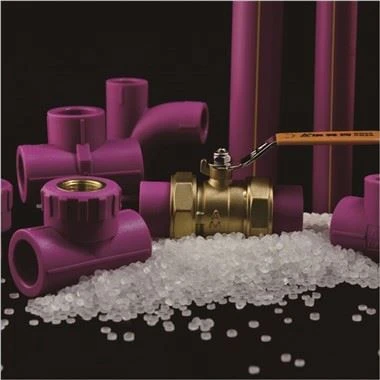
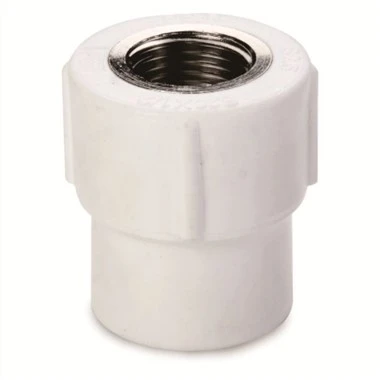
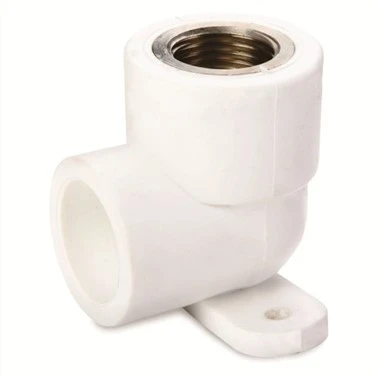
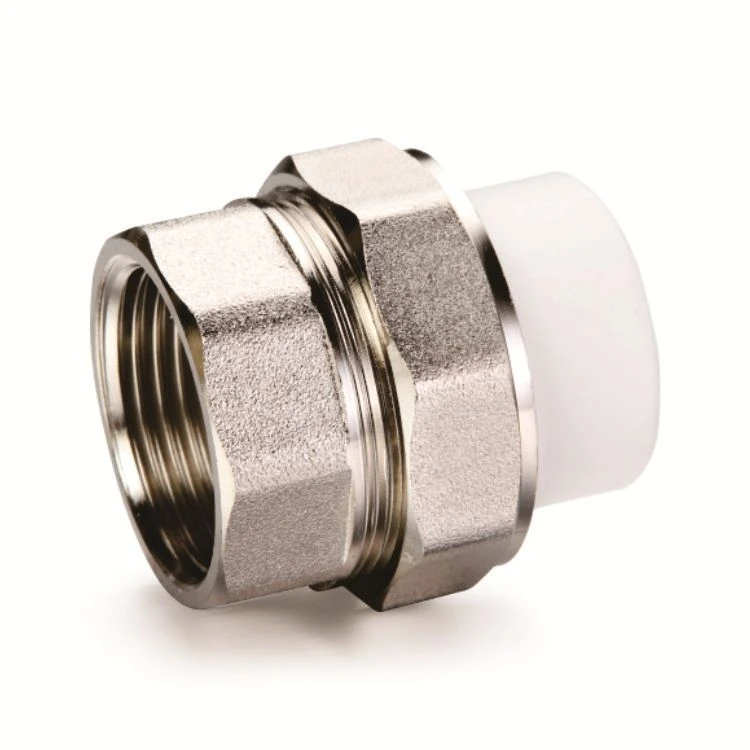
Threaded Fittings: both Male and Female threads are available.
Q: Is PPR pipe thermoplastic?
A: PPR pipe is made from a high-quality thermoplastic polymer called polypropylene random copolymer, which has been specially designed for use in pipes and fittings.
Q: Is PPR pipe food grade?
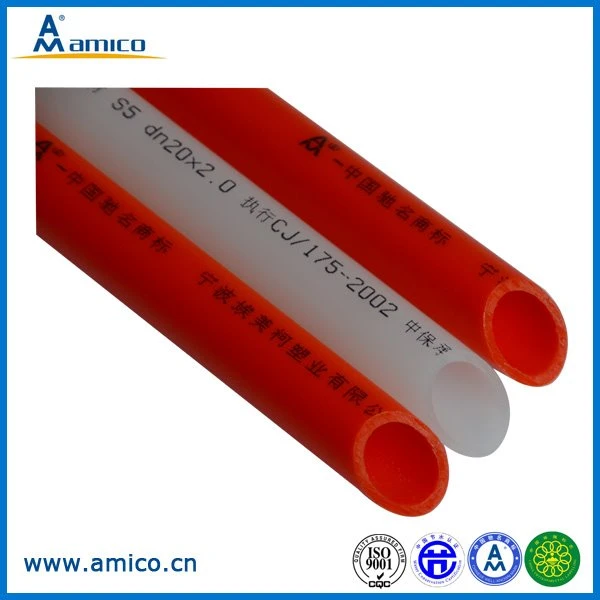
A: Non-toxic: no heavy metal additives, our PN25 pp materials plastic food grade ppr pipe with red blue color line would not be covered with dirt or contaminated by bacterium.
Q: What color are PPR pipes?
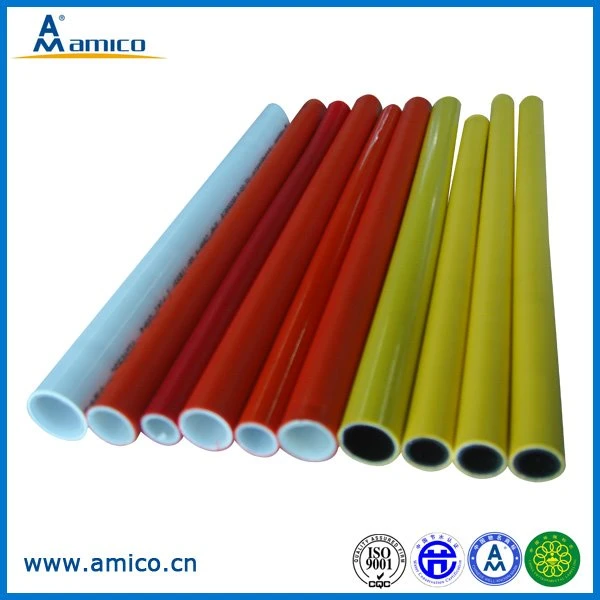
A: (PP-R pipes are mainly white, gray, green and yellow. Consumers often think that white is ppr pipe. In the best, the color is not the standard for judging the quality.
Q: How many layers are available in PPR pipes?
A: The structure of PPR pipe:
The single-layer structure is the basic structure of PPR pipes, which is made of one layer of polypropylene material. The structure has the advantages of simplicity, beautiful appearance and moderate price.
Q: How can you tell the quality of PPR pipe?
A: PPR pipe material is polypropylene, a good pipe is no odor, and bad some of the smell, it may be in polypropylene blending sake of polyethylene, so the smell of the pipe is best not to the election. 3) Quality PPR pipe has a certain hardness, touch with your fingers, feel rather hard, not easily deformed.
Q: What is the difference between green and white PPR?
A: The color and quality of PPR pipes are not necessarily related. However, there are more cases where the white PPR fails to pass the light detection, while the green does not have these problems. Green light transmittance is not as good as white, so green PPR tubes are not easy to breed bacteria.
Q: How do PPR pipes work?
A: Low Thermal Conductivity
This means that external temperatures don't get to the liquid inside the pipe. Likewise, temperature from the liquid does not escape to the external environment. This is why PPR pipes minimize heat loss or heat gain during the transfer of cold and hot fluids.
Q: How do you measure PPR pipes?
A: To find it, measure around the circumference of the pipe with flexible measuring tape. Divide the circumference by pi, or about 3.14159. For example, if the circumference is 12.57 inches (319 mm), you would divide by pi, and get an outside diameter of about 4 inches (100 mm).